Becoming a Bee Nerd: My Journey into the OSU Master Melittologist Apprentice Program - Aug 16, 2025


It’s funny how life has a way of nudging you in directions you didn’t expect. For me, the decision to study bees started like a butterfly effect moment.
As a Director-At-Large for BC Nature, I receive a steady stream of communications. One day, tucked into my inbox, was something from the BC Native Bee Society. They were promoting the Oregon State University Master Melittologist Apprentice Program. I clicked, skimmed, and thought: “You know what? I need a conservation focus beyond birds for the portfolio I’m building as I work toward my international conservation photographer and filmmaker certification.”
That evening — a confident late-summer evening — I decided: no more doubting, no more wondering, no more overthinking. Just do it. So I did. And everything spiraled from there.
What the Program Is
The Master Melittologist Apprentice Program is not a casual weekend course — it’s an investment. Participants complete an intensive bee school, a series of quizzes and assignments, and some fieldwork before tackling the final exam. Passing it earns you recognition as a certified Apprentice.
To start, you need a few essentials: textbooks (thankfully available on Amazon), a microscope, some minor supplies, and a willingness to immerse yourself in a whole new world. The program sends you a collection kit and an incredible reference field guide — the kind of resource you’ll keep forever.

I began in July, and I’m about halfway through. It’s a lot. Honestly? It’s both exciting and intimidating.
Wrestling With Doubt

In the first modules, the “negative Nelly” in me grew louder:
Why are you doing this?
Are you smart enough?
What’s the point of studying bees anyway?
This is way beyond your level — how do you think you can keep up?
That inner critic can be relentless. When it got too loud, I learned to pause. I’d step outside, spend time in nature, and let my soul breathe again. Because nature — always — has a way of grounding us.
And then something strange started happening. Bee posts popped up randomly on my Facebook feed. Bee trinkets appeared in unexpected places. Even fridge magnets reminded me of bees. Signs. All signs to keep going.
A Moment of Clarity
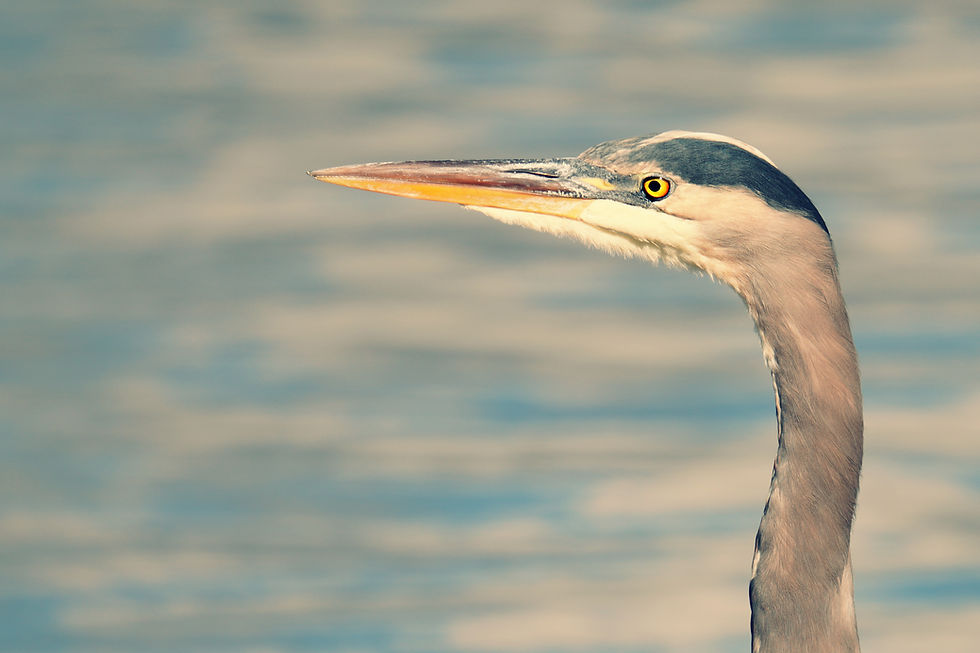
The breakthrough came one day when I was sitting on a log at the beach, watching herons. Out of nowhere, a few furry little bumblebees buzzed past, gathering nectar from the last scraps of late-season flowers.

I just watched. One bee, minding her own business, doing exactly what she was made to do. But then I noticed: where was she going to go next? The flowers were few and far between. She had such a short window of life to do her work.
Did you know?
Most bumblebees live only about 28 days just four short weeks to forage, pollinate, and keep their colony thriving. The queens, however, are the exception: they can live up to a year, hibernating through the winter to start a brand-new colony in the spring.

In that moment, everything clicked for me. Just like that bumblebee, I wasn’t going to let scarcity, doubt, or obstacles stop me. I was here to learn, to grow, and to become a Bee Conservation Guardian.
Lessons From the Journey
As I work my way through the modules, I’ll keep sharing my journey. Because this is more than just about bees — it’s about perseverance, curiosity, and conservation.

If the “negative Nelly” voice rises up in your head too, try this: acknowledge it. Say, “I hear you. But not today. Today, we’re doing this.” Then keep moving forward.
That’s what bees do. When the flowers are scarce, they don’t quit. They move on and find a way.

I don’t know yet exactly where this bee nerding adventure will take me — but I’m excited to find out. For now, I’m proud to be a Bee Nerd in the making (and yes, I may just have to make myself a T-shirt!).
Because every conservation story starts with a decision to care and this is mine.

Stay tuned: I’ll be posting updates as I progress through the program, sharing both what I’m learning and how it’s shaping my conservation journey.


Your continuing curiosity into nature has just found one more route. Your education becomes our education!
You've shown that for all their small size bees are such marvelous creatures.