Bee School, Module 1: Why Become a Master Melittologist
- Jennifer Dowd

- Sep 1, 2025
- 3 min read

When I sat down to start my first module of Bee School, I thought back to what I actually knew about bees. Honestly? Not much. I figured there were only a handful of species, and their job descriptions boiled down to “make honey” or “pollinate flowers.”
But Module 1 quickly opened my eyes. There aren’t just a few types of bees — there are thousands of species all over the world, each playing a unique role in ecosystems. Suddenly, the simple idea I had of bees cracked wide open into a fascinating new reality.
Growing up, bees were more a source of fear than fascination. I still remember being stung as a child — my leg swelled up, and I swatted the bee in panic. Looking back, I don’t blame it for defending itself. That’s what we were taught: bees are dangerous, stay away, don’t get stung. Movies from the 1970s about “killer bees” didn’t help either. They fueled fear instead of respect.

Now, as I learn more, I see how unfair that was. Bees have hard lives — they battle disorders, mites, viruses, parasites, pesticides, and now the enormous pressures of climate change. And when you think about it, that sounds a lot like the challenges humans face too. We may have more in common with bees than most of us ever realized.

So why did I sign up for Bee School? Because bees feed the world. And they’re in decline everywhere because of human impacts. We’ve made survival harder for these tiny workers, but thankfully, people long before me decided to act.
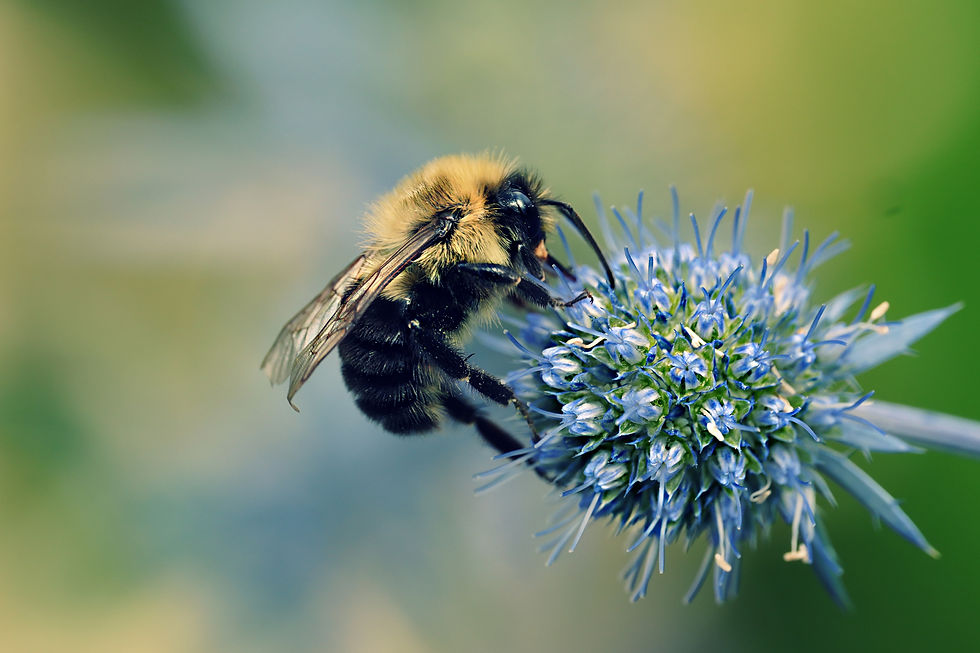
They started building Bee Atlases around the world — detailed records that document and map bee diversity. These atlases help scientists communicate what conservation actions are needed for each species. Every record adds another piece to the puzzle of protecting future generations of bees.
That’s where we, the students of Bee School, come in.

Here’s the truth: to complete my certification, I’ll need to collect and “kill” five bees. That’s not an easy thing for me to accept. Bees are so vital — how could I justify taking even a handful of lives?
But the course explains this with great care. Most of the bees we’ll collect are nearing the end of their short lifespans (remember: most bumblebees only live about 28 days). We won’t be collecting queens, and males are often chosen for sampling. And while taking five bees feels heavy, even 100 specimens a year is a tiny sampling compared to the millions living in a region.

Without these specimens, though, scientists can’t build the data needed to fight for bee conservation. If it means protecting entire populations for generations to come, then it isn’t for nothing.
Module 1 was a huge eye-opener. I went in thinking I knew a little about bees, but I came out amazed at how extraordinary they truly are. These creatures are not just pollinators or honey-makers — they’re intricate, resilient, and deeply connected to our survival.
And this is only the beginning. I’m pumped for Module 2, where I’ll get hands-on with learning how to catch and prepare specimens. (Nervous? Yes. Excited? Absolutely.)

Bee School has only just begun — and I already feel my conservation journey buzzing in a whole new direction.
Follow along as I continue through Bee School. Next up: Catching Bees & Preparing Specimens (Module 2).


Absolutely gorgeous pictures--it's a secret world you have tapped into.
You've peaked my interest in the extremely vital role of these small creatures.