Cold Hands, Crabs, and a Rainbow - Dec 20, 2025
- Jennifer Dowd
- Dec 20, 2025
- 3 min read

What sane person goes crabbing in December—when it’s raining, windy, and absolutely freezing—for the very first time?
Apparently… this one.
I went crabbing today not because the conditions were ideal (they very much were not), but because a young otter is currently in care with a wonderful wildlife organization—and she is in need of live crabs to learn how to hunt. When I heard that, my brain immediately said, I can do this.
How hard can crabbing be?
(Insert aggressive eye-rolling here.)
The morning started out deceptively kind. A bit of sun. Mild enough. Hopeful, even. But by the time my aunt and I arrived in a small seaside town, the weather had turned. The wind picked up, the rain started falling, and the cold set in fast. Still—we were there. And once I commit to something, especially something for wildlife, I’m all in.
So we hauled our supplies down the pier and set up the round crab traps. The process itself is simple enough: bait goes inside (fish guts or chicken), the trap goes into the water, you wait 15–20 minutes… and boom—crabs, right?
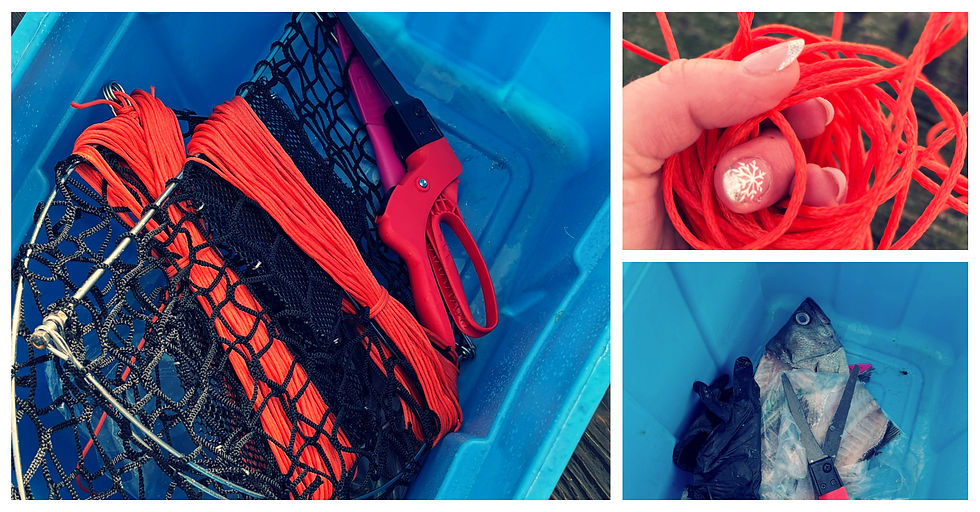


We were feeling optimistic.

Just before we launched the first trap, a gorgeous rainbow touched down on the water. I took it as a sign. A blessing. This is going to work, I thought.

Our first spot was a no-go. Some guys nearby suggested moving farther out on the pier, so we did. We tried different locations, adjusting and learning as we went. And then—finally—it happened.
I caught three Dungeness crabs.
I was ecstatic… for about three seconds.
Dungeness crabs are the crown jewel of West Coast crabbing. They’re known for their sweet, delicate meat and are one of the most carefully regulated crab species for a reason. Only male crabs above a specific size can be kept, allowing females to continue reproducing and helping ensure healthy populations. They grow slowly, molting their shells as they age, which means juveniles need time before they’re ready.
All three of mine were too small. So back they went—quickly and gently. Even so, catching three on my very first crabbing attempt felt like a win.

Then there was Rocky.
Rocky was a red rock crab—big, bold, and absolutely stunning, with deep red coloring and powerful claws. Red rock crabs are built differently than Dungeness. They’re tougher, feistier, and more commonly found clinging close to rocky shorelines, pier pilings, and structure. While they can be legally kept if they meet size requirements, their meat is firmer and not as commonly sought after.

Rocky came into my life thanks to a few kind young guys on the pier who clearly took pity on the freezing, fish-gutted newbie beside them. I named him instantly. But after two hours of effort and no other keepers, I made the decision to release him.
Rocky lives another day.
By the end of it, I was completely frozen. My hands were bright red. I smelled strongly of fish guts. My nose was running nonstop. I could have looked at the whole experience as a failure.

But I didn’t.

Because today wasn’t about success—it was about learning.
I had never gone crabbing before. Ever. To catch even one crab would’ve been exciting. I caught three. I learned why size limits matter. I learned where different crabs like to hide and feed. I learned that chicken works better than fish guts, that traps need to be placed closer to pier pilings, and that leaving them down longer than I think is key.
So next time, I’ll do better.
Next time, I’ll be more prepared.
Next time… I’ll be successful.
I know it was a sign from my Mom and Dad—that they were with me out there on that cold, rainy pier. I just can’t tell if they were cheering me on… or shaking their heads at me. Probably both.
Here’s to cold hands, learning curves, wild creatures, and doing slightly insane things for wildlife.


Chock it up to one more adventure!
Lessons learned