Hidden in Plain Sight: The Wildlife We Miss When We’re in a Hurry - Sept 8, 2026


Most of us move through our days quickly. We walk familiar paths, drive familiar roads, and pass through parks, shorelines, neighbourhoods, and parking lots without really seeing them. Our minds are often somewhere else—on our to-do lists, our worries, our stress, our grief, or the weight of whatever season of life we happen to be carrying. But if we stop, even briefly, and truly pay attention to where we are, another world begins to appear.
It is a world that has been there all along.
In the middle of the city, wildlife is living quietly beside us. Birds perch on weathered posts, rest on docks, and raise their young in small patches of green. Otters patrol the shoreline. Herons wait in stillness at the water’s edge. Eagles watch from high urban perches. Families of ducks and geese move through places we might otherwise think of as ordinary. Nature is not somewhere far away, separate from our lives. It is woven through them.

One of the greatest gifts photography has given me is not just the ability to document these moments, but the habit of noticing them. When I head out with my camera, I move differently. I slow down. I look longer. I listen more carefully. I start paying attention to patterns, to the places animals return to, to the rhythms of water and weather, to the way life unfolds in the same spaces we share every day. What might look like a simple walk through a city park becomes something richer: a chance to witness resilience, adaptation, tenderness, and survival.
And the truth is, you do not need a camera to experience that.

You only need to pause. To look toward the shoreline instead of past it. To notice movement in the grass. To glance up at the light poles, the marina posts, the edges of ponds and fields and pathways. Urban wildlife photography begins long before a photo is taken. It begins with attention. It begins with curiosity. It begins in that quiet moment when you stop hurrying and let yourself become aware of the life around you.

For me, this kind of noticing has become deeply personal. During difficult mental and emotional seasons, being outside and paying attention to wildlife has helped steady me in ways I did not always expect. It does not erase hard things. It does not fix pain, anxiety, loneliness, or grief. But it creates space. It gently pulls me out of my own thoughts and places me back into the present moment. It reminds me that the world is still alive with motion, beauty, and purpose, even when I am struggling to feel those things for myself.

There is something healing about watching a young bird explore the unfamiliar. Something grounding about seeing a heron stand in complete stillness. Something comforting about noticing a shoreline full of activity, or the quiet confidence of an eagle perched above the noise of the city. In those moments, I am reminded that life continues in countless forms all around me. There is a kind of peace in recognizing that we are part of a larger living world, and that even in urban spaces, wildness persists.

That is part of what I hope people feel when they look at these images.
I want them to see more than wildlife portraits. I want them to see how much is happening in the places we often overlook. I want them to realize that they do not need to go somewhere remote to experience wonder. They can find it close to home—at the local park, along the waterfront, near a marina, beside a path they walk every day. Sometimes the extraordinary is hidden in plain sight, waiting for us to notice.

The more closely I observe urban wildlife, the more I am reminded that cities are not ours alone. They are shared spaces. The structures we build, the shorelines we shape, the green spaces we preserve or neglect, all of these choices affect the lives unfolding around us. Birds adapt to light poles and docks. Families raise their young in narrow margins of habitat. Animals rest, feed, shelter, and survive in landscapes altered by human presence. To notice them is to be reminded of both their vulnerability and their resilience.

And noticing matters.
Because when we notice, we begin to care. When we care, we become more protective. Conservation does not always begin with a grand gesture. Sometimes it begins with something much quieter: paying attention. Looking more closely at the everyday lives around us. Recognizing that even in urban environments, wild lives are still being lived, and that those lives matter.

If there is one thing I hope this work encourages, it is this: slow down. Stay a little longer. Look more carefully at the places you already know. Let yourself be surprised by what is there. Watch the edges of the water. Listen in the trees. Scan the posts, the docks, the grass, the sky. There is life everywhere. Not far away. Not hidden in some distant wilderness. Here. Around us. Beside us.
And sometimes, especially in hard seasons, simply noticing that can be enough to lift something in the soul.

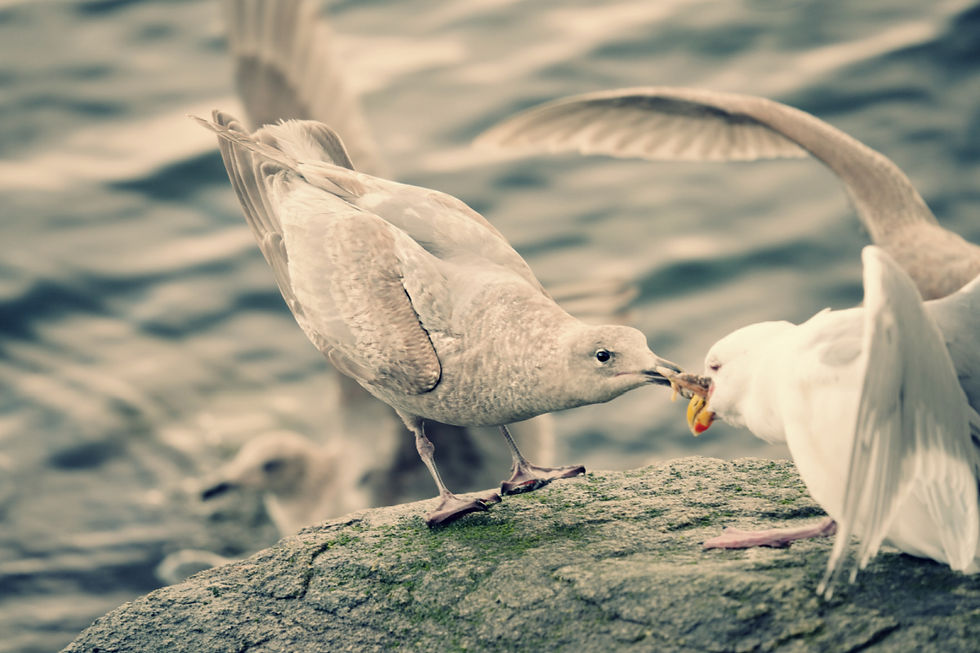
The city is not just ours. It belongs to every living thing that calls it home. The more we open our eyes to that truth, the more connected we become—not only to wildlife, but to the places we live, and perhaps even to ourselves.

When we see, we care.
When we care, we protect.


Your curiosity is highly commendable! We only see if we look in the first place. Keep up the outstanding work.
Very well said.